Auckland EyeThursday, 5 Feb 2026
Supporting New Zealanders Living with Glaucoma
Helping Kiwis navigate glaucoma with knowledge, community support, and resources that empower people to manage their vision health.


Short-sightedness (or myopia, a condition in which people find objects in the distance blurred) is often inherited and it is therefore not possible to totally prevent it’s occurrence. However there are steps you can take to minimise its effect.
Myopia control can be used to delay or slow down myopia progression and consists of certain treatments including special contact lenses and eye drops which can correct the vision and reduce the progression at the same time.
Lifestyle factors can also help in slowing the progression of myopia and this is why children are encouraged to spend a period of time outdoors in full daylight every day.
In fact, researchers have reported that children who are not predisposed to myopia who spend more time outdoors playing are less likely to become short sighted.
It is not known exactly why this might be, perhaps sun exposure with Vitamin D production, exposure to opportunities for far distance vision or perhaps something else entirely.
If you have any concerns at all your eye specialist can undertake a full assessment of your child’s vision and recommend the best form of treatment if required.
 Eye Conditions
Friday, 24 Feb 2017
Eye Conditions
Friday, 24 Feb 2017
 Auckland EyeThursday, 5 Feb 2026
Helping Kiwis navigate glaucoma with knowledge, community support, and resources that empower people to manage their vision health.
 Auckland EyeThursday, 5 Feb 2026
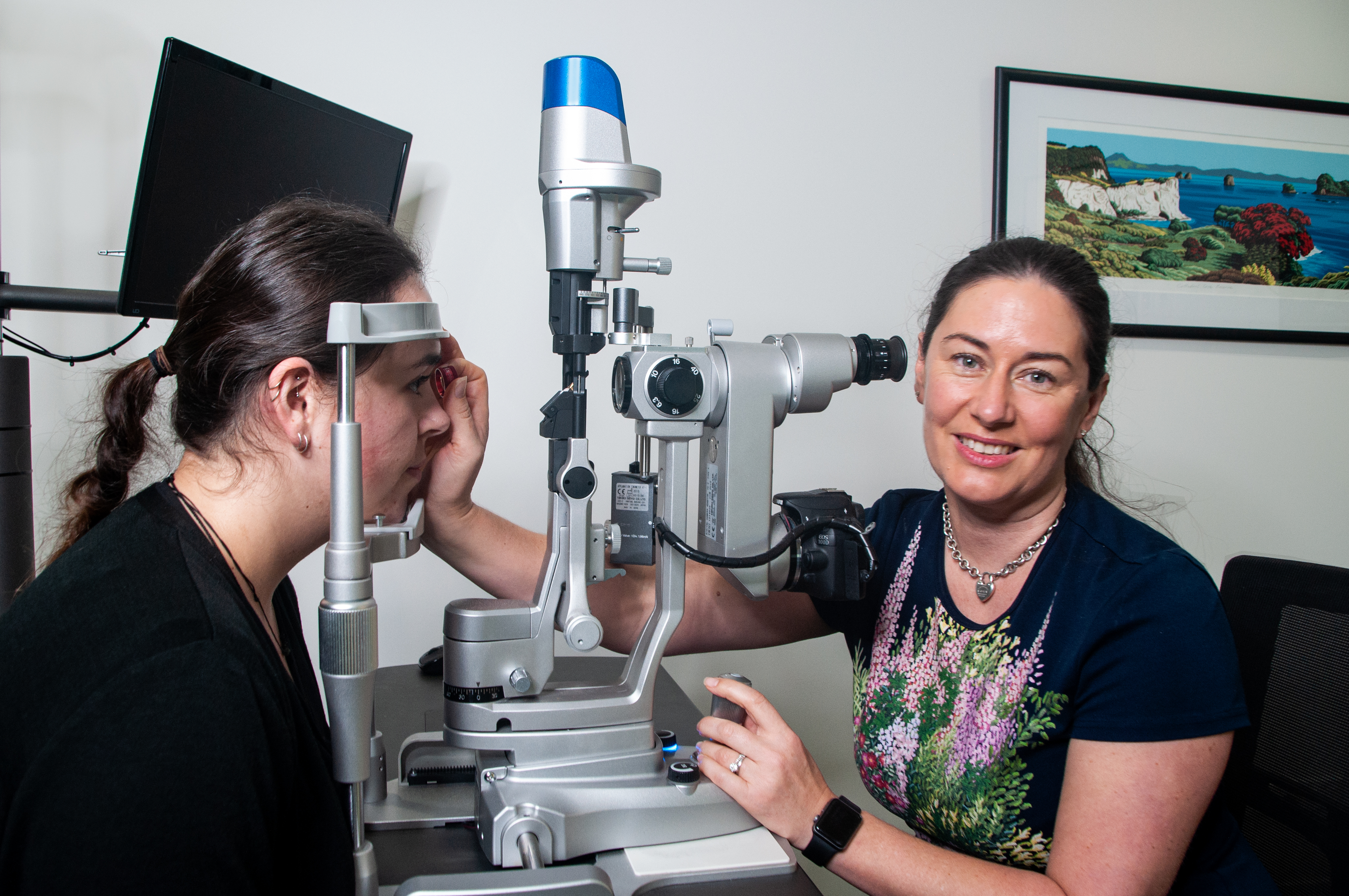
We are delighted to celebrate a milestone for Dr Rachael Niederer, who has been promoted to Associate Professor at the University of Auckland.
 Auckland EyeMonday, 2 Feb 2026
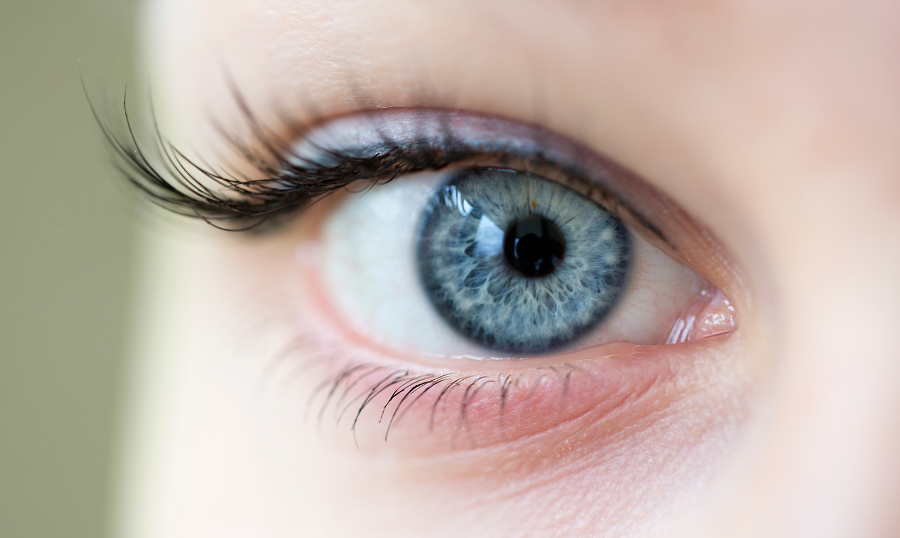
Let’s explore the science and the wonder behind these tiny but powerful organs.