
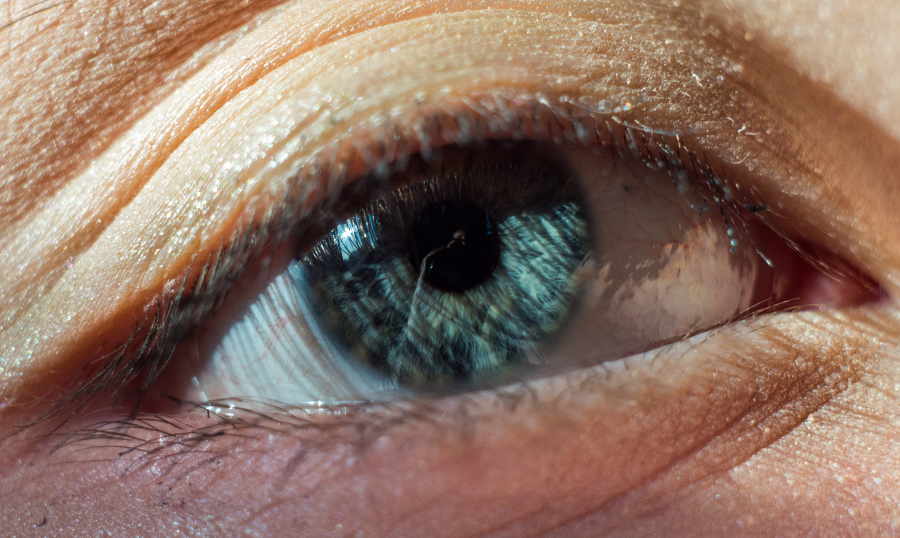

By sculpting the shape of the cornea (the transparent tissue that covers the front of the eye), modern lasers are an effective treatment method for correcting not only short-sightedness, but also astigmatism and long-sightedness. For many people with these conditions, laser eye surgery can completely eliminate the need to wear glasses or contact lenses.

How does laser eye surgery work?

If you are short-sighted, long-sighted or have astigmatism, you see blurred distorted images because your cornea, which helps control focusing, is misshapen. Laser eye surgery can correct this by altering the curvature of your cornea; allowing light rays to pass through and form a sharp (non-distorted) image onto the retina at the back of the eye.

At Auckland Eye, our highly skilled ophthalmologists perform laser eye surgery using a computer-controlled laser that uses pulses of ultraviolet light to remove microscopic amounts of tissue – forming a steeper curve if you are farsighted, evening out the curve is you have astigmatism and flattening the corneal surface if you are short-sighted. This helps to restore normal eyesight which almost always provides a permanent solution for varying degrees of myopia, hyperopia and astigmatism.

To find out more about if you are a suitable candidate for laser eye surgery, click here to watch our FAQ video:  ‘How do I know if I am suitable for laser eye surgery?’

Laser Thursday, 24 May 2018

Read More

How Long Is the Recovery From Laser Eye Surgery?
Eye ConditionsEye ConditionsFriday, 17 Jul 2026

How Long Is the Recovery From Laser Eye Surgery?

Choosing laser eye surgery? Learn the recovery differences between SMILE Pro, LASIK and PRK to help you make an informed decision.

What Are the Risks of Delaying Cataract Surgery?
CataractsFriday, 17 Jul 2026

What Are the Risks of Delaying Cataract Surgery?

Learn the risks of delaying cataract surgery and when to seek treatment.

How Fast Can Diabetic Eye Disease Progress?
Diabetic RetinopathyTuesday, 23 Jun 2026

How Fast Can Diabetic Eye Disease Progress?

Diabetic retinopathy can progress slowly or rapidly depending on blood sugar control and overall eye health. Learn the signs and treatment options.

Request a Callback

or

Select your preferred location

Request a Callback

or

Select your preferred location