Auckland EyeTuesday, 17 Mar 2026
GLP-1 Medications and Your Eyes: What You Need To Know
Using GLP-1 medications for diabetes or weight loss? Learn how they may affect your eyes and when to seek advice.

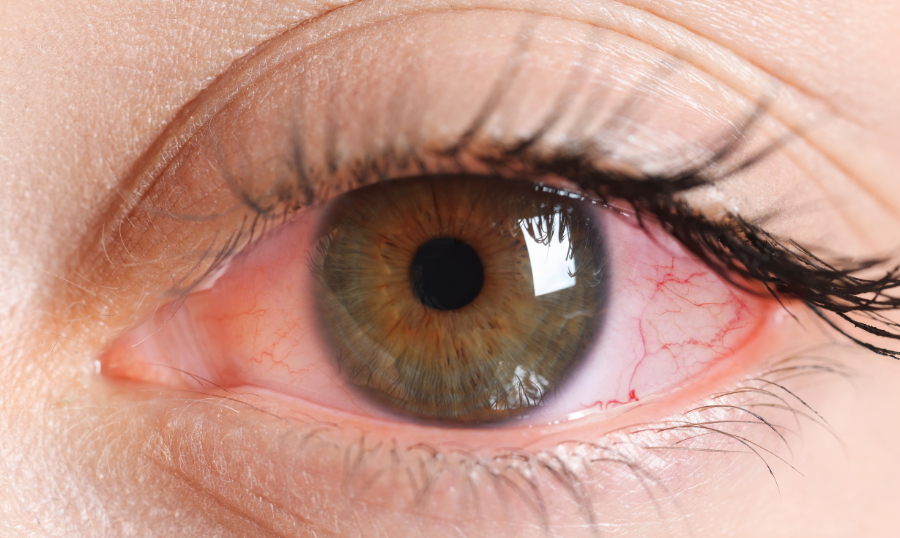
Red, bloodshot eyes are something most of us experience at some point. Whether it’s after a late night, a long day staring at screens, or a sudden bout of irritation, red eyes are common, but they’re not always harmless.
While some causes are mild and temporary, others can signal a more serious eye condition that needs prompt attention. Knowing the difference can help protect your vision and your eye health.
One of the most common causes of red eyes is dry eye. When your eyes don’t produce enough quality tears, the surface becomes irritated and inflamed, leading to redness, burning, and a gritty sensation. Dry eye is often triggered by screen use, air conditioning, ageing, hormonal changes, or certain medications.
Seasonal allergies, dust, pollen, or pet dander can cause red, itchy, watery eyes. Allergic conjunctivitis often affects both eyes and is usually accompanied by sneezing or a runny nose. While uncomfortable, it’s typically not dangerous, as long as it’s properly managed.
Conjunctivitis occurs when the clear membrane covering the eye becomes inflamed. It can be viral, bacterial, or allergic. Symptoms include redness, discharge, irritation, and sometimes blurred vision. Some forms are highly contagious, making early diagnosis important.
Lack of sleep, long hours on screens, or intense focus can cause blood vessels in the eyes to dilate, leading to redness. This type of redness usually improves with rest, blinking breaks, and good eye habits.
Wearing contact lenses for too long, sleeping in them, or poor lens hygiene can irritate the eye’s surface. Redness from contact lenses should never be ignored, as it can quickly progress to infection if not addressed.
While many cases of red eyes are minor, some require urgent assessment by an eye doctor.
Redness accompanied by pain, sensitivity to light, or headache can indicate inflammation inside the eye, such as uveitis, or more serious conditions affecting the cornea.
If red eyes are paired with blurred vision, halos around lights, or sudden vision loss, it’s important to seek immediate care. These symptoms can be associated with glaucoma or other sight-threatening conditions.
Redness after an eye injury, scratch, or exposure to chemicals should always be checked. Even minor injuries can lead to complications if left untreated.
If redness doesn’t improve after a few days, keeps coming back, or worsens over time, it may be a sign of an underlying eye condition that needs professional care.
Eyes are delicate, and some conditions that start with mild redness can progress quickly without treatment. Seeing an ophthalmologist ensures the correct diagnosis and the most appropriate treatment, whether that’s prescription drops, specialist dry eye therapy, or further investigation.
At Auckland Eye, our team of experienced ophthalmologists and eye care specialists assess red eyes every day. With access to advanced diagnostic equipment and specialist clinics, we can identify the cause accurately and help protect your long-term vision.
If you’re unsure whether your red eyes are something to worry about, it’s always better to be safe than sorry. Early assessment can prevent complications and give you peace of mind.
If you’re experiencing ongoing redness, discomfort, or changes in your vision, book an appointment with your local optometrist or general practitioner.
Auckland Eye
Thursday, 18 Dec 2025
 Auckland EyeTuesday, 17 Mar 2026
Using GLP-1 medications for diabetes or weight loss? Learn how they may affect your eyes and when to seek advice.
 Auckland EyeMonday, 16 Mar 2026
Cataract surgery can restore clarity and improve daily life. Discover what the procedure involves and what to expect throughout your treatment journey
 Auckland EyeMonday, 16 Mar 2026
Your overall health and eye health are closely connected. Here are five common conditions that can affect your vision and long-term eye health.