Auckland EyeWednesday, 19 Aug 2026
Is Blue Light Bad for Your Eyes?
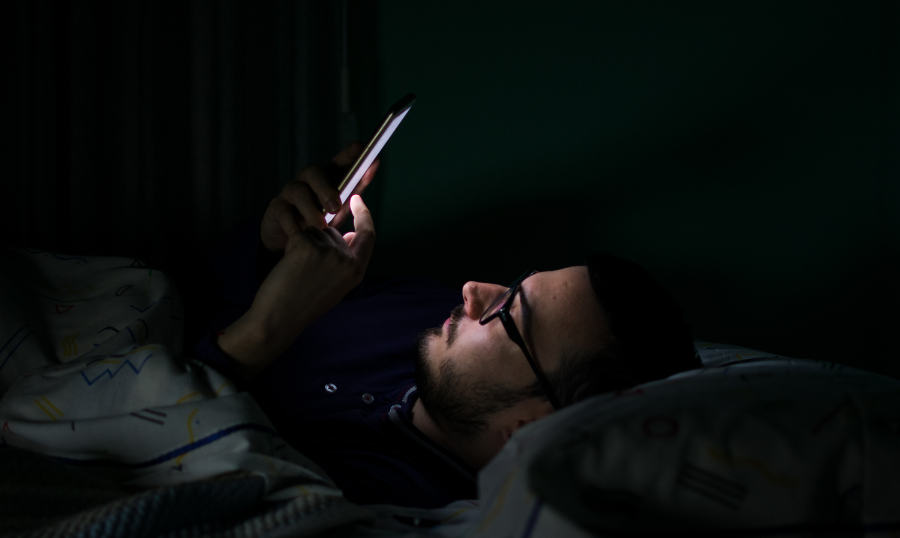
Is blue light bad for your eyes? Find out what's really causing that tired, gritty feeling after screen time, and what fixes it.


Laser eye surgery has transformed the lives of millions by providing long-term vision correction. But one of the most common questions patients ask is: “How long does laser eye surgery last?” While the results are often permanent, various factors can influence long-term visual stability. Let’s explore the longevity of laser eye surgery and what you can expect after the procedure.
Laser eye surgery, including SMILE Pro and LASIK, reshapes the cornea to correct refractive errors such as nearsightedness (myopia), farsightedness (hyperopia), and astigmatism. By altering the way light enters the eye, these procedures provide clearer vision without the need for glasses or contact lenses.
For most patients, the vision correction achieved through laser surgery is long-lasting. The changes made to the cornea are permanent, meaning the refractive error that was treated typically does not return. However, the natural aging process of the eye can still impact vision over time.
Several factors can determine how long your laser eye surgery results will last:
While most people enjoy decades of clear vision after laser surgery, some may require a minor touch-up years later. These enhancements are relatively quick and can restore optimal vision if needed.
To ensure your laser eye surgery results last as long as possible, consider the following:
Laser eye surgery offers a life changing improvement in vision, with results that often last a lifetime. While natural aging may introduce new vision changes, most patients enjoy many years of clear sight. If you are considering laser eye surgery, book a FREE laser consultation with one of our incredible laser vision correction specialists to discuss your long-term vision goals and expectations.
Call us on 0800 63 93 93.
Auckland Eye
Thursday, 6 Mar 2025
 Auckland EyeWednesday, 19 Aug 2026
Is blue light bad for your eyes? Find out what's really causing that tired, gritty feeling after screen time, and what fixes it.

 Eye ConditionsFriday, 17 Jul 2026
Choosing laser eye surgery? Learn the recovery differences between SMILE Pro, LASIK and PRK to help you make an informed decision.
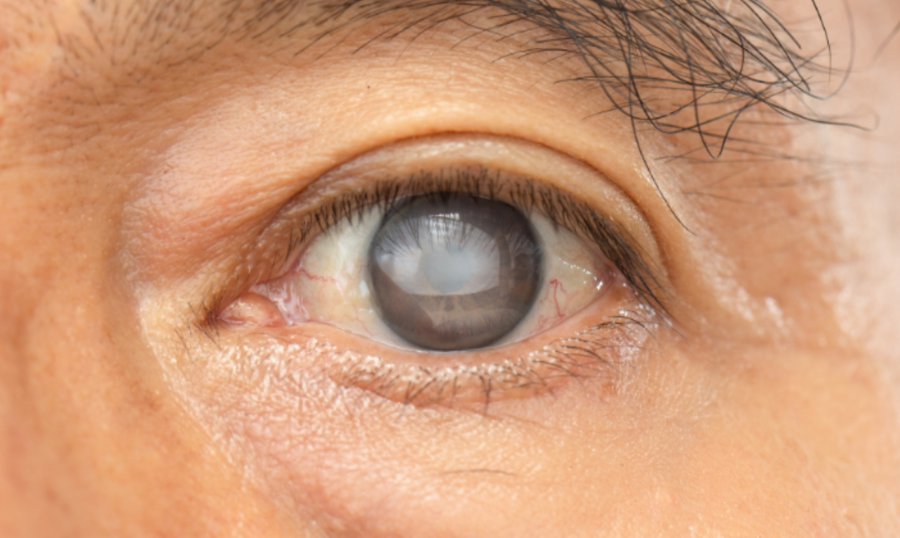
Learn the risks of delaying cataract surgery and when to seek treatment.