Auckland EyeThursday, 5 Feb 2026
Supporting New Zealanders Living with Glaucoma
Helping Kiwis navigate glaucoma with knowledge, community support, and resources that empower people to manage their vision health.

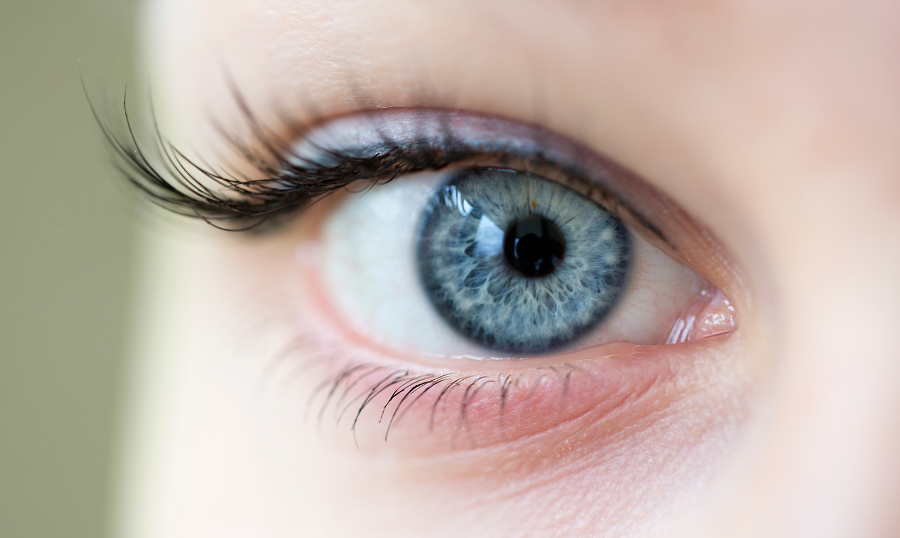
Eyes are considered to be one of the most remarkable parts of our body. They help us navigate, interact with others, appreciate beauty, and understand our surroundings. But what exactly are eyes, and how do they work? Let’s explore the science and the wonder behind these tiny but powerful organs.
Eyes are sensory organs that function to detect light and convert it into images our brain can understand. Think of them as incredibly sophisticated cameras, except rather than storing photos on a memory card, they send visual information directly to your brain. time.
Light enters the eye, is focused, and is then converted into electrical signals that travel along the optic nerve to the brain. Your brain then interprets those signals as shapes, colours, depth and movement, all in a fraction of a second. Incredible right!
Seeing feels effortless, but there’s a lot going on:
All of this happens practically instantly, thousands of times a day, without us even realising!
Eyes do more than help you see, they’re constantly protecting and adjusting themselves. They blink to stay healthy, produce tears to keep lubricated, and adjust to different lighting conditions.
Eyes have a significant influence on the way we communicate and express emotion. Humans rely heavily on eye contact; a look, a blink, or even a brief shift in gaze can express your feelings far faster than words ever could! Our eyes help us build trust, share feelings, and form social connections.
Due to how well eyes are able to adapt, changes in vision or eye health don’t always show up straight away. Many eye conditions develop gradually, often without symptoms such as pain.
That’s why regular eye checks are important, not just if you feel “something is wrong”, but also as part of maintaining your overall health. Your eyes can reveal early signs of other health issues too, including diabetes, high blood pressure and neurological conditions.
Your eyes are complex, hardworking, and incredibly important. They are the link between you to the world around you, enabling you to live your life to the fullest.
Looking after them isn’t just about seeing clearly today. It’s about protecting your vision for the years ahead.
Auckland Eye
Monday, 2 Feb 2026
 Auckland EyeThursday, 5 Feb 2026
Helping Kiwis navigate glaucoma with knowledge, community support, and resources that empower people to manage their vision health.
 Auckland EyeThursday, 5 Feb 2026
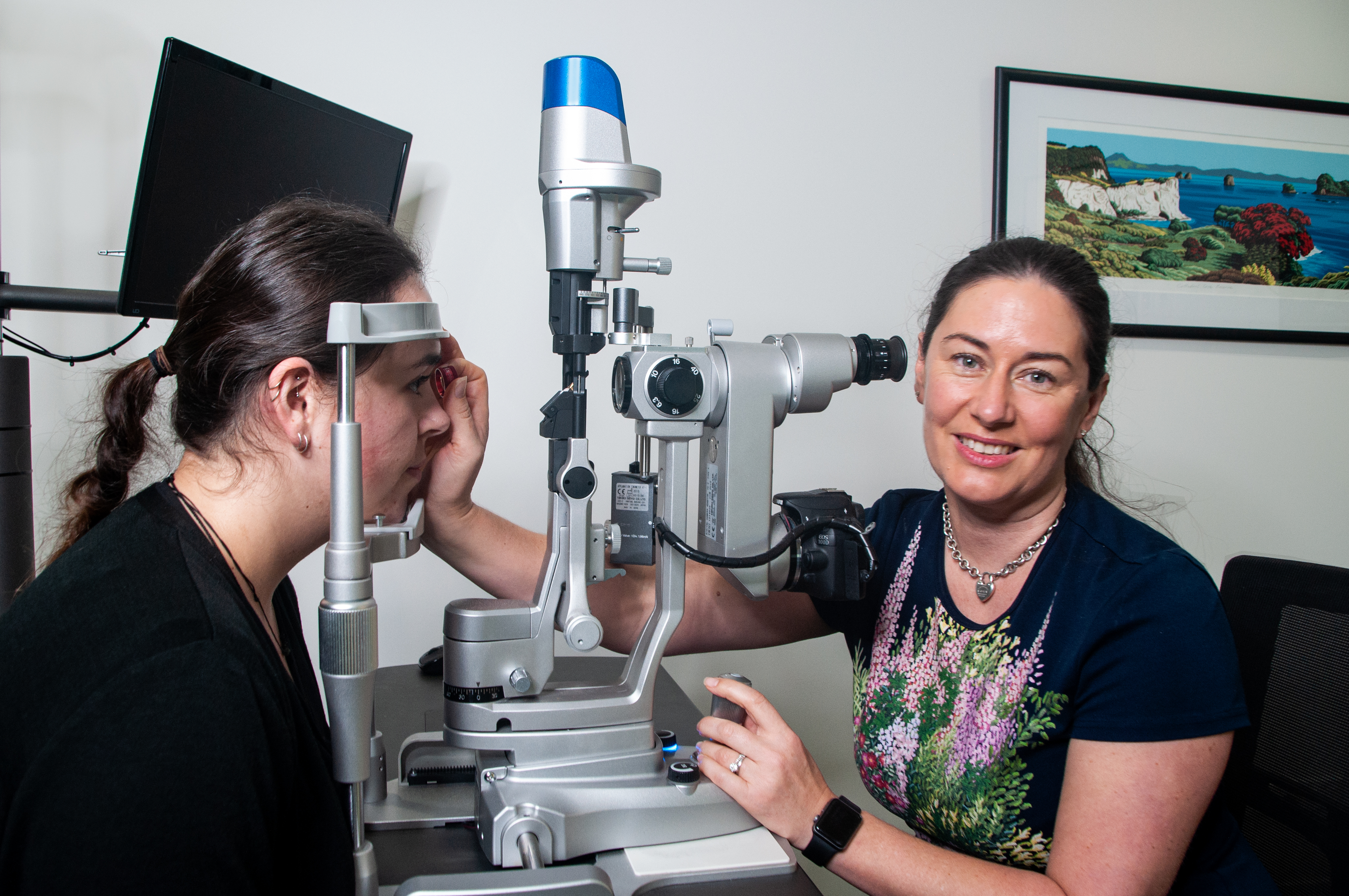
We are delighted to celebrate a milestone for Dr Rachael Niederer, who has been promoted to Associate Professor at the University of Auckland.
 Auckland EyeFriday, 30 Jan 2026
A practical guide to checking your child’s vision before heading back to school.