Auckland EyeTuesday, 17 Mar 2026
GLP-1 Medications and Your Eyes: What You Need To Know
Using GLP-1 medications for diabetes or weight loss? Learn how they may affect your eyes and when to seek advice.


Cataract surgery is one of the most common and successful surgeries performed worldwide. If you have been diagnosed with cataracts, you are probably wondering what the process involves and how long recovery takes.
The good news is that cataract surgery is typically quick, safe, and highly effective at restoring clearer vision.
Here’s what you can expect before, during, and after your procedure.
A cataract is a clouding of the natural lens inside the eye. This clouding prevents light from passing through the eye clearly to the retina, which results in symptoms such as:
Frequent changes in glasses prescription
Cataracts develop over a period of time as a result of the normal aging process, injury to the eye, certain medicines, or other medical problems.
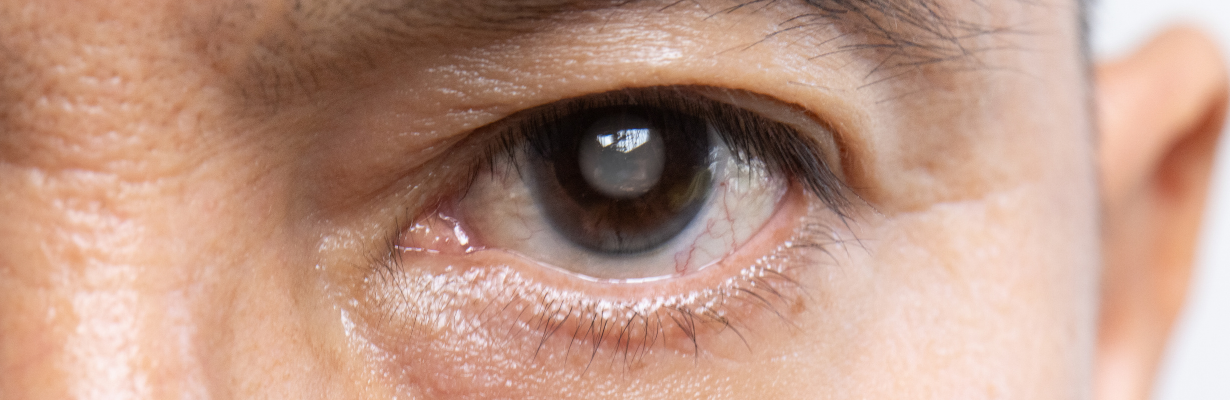
Cataract surgery is usually recommended when cataracts affects one’s ability to perform daily activities like reading, driving, or even recognising people’s faces.
During the surgery, the cloudy natural lens is removed and replaced with a clear artificial lens, called an intraocular lens (IOL), which helps restore vision clarity.
Cataract surgery is usually a day procedure. This means that you will be able to return home the same day.
Before the procedure
Your eyes will be dilated (your pupil will be enlarged) and numbing eye drops will be used to ensure that you are comfortable. A mild sedative may be given to you to help you relax.
During surgery
The surgery itself usually takes 10 to 30 minutes. You can expect:
You may notice bright lights during the procedure, but you should not feel pain.
Immediately After Surgery
After the procedure:
You may experience:
These symptoms usually go away within a few days as your eyes start to heal.
Recovery from cataract surgery is usually quick.
Many people notice an improvement in their vision within a few days, but full recovery can take several weeks.
During recovery your doctor may recommend:
Some mild itching, watering, or light sensitivity is normal during the beginning stages of your recovery period.

Your surgeon will schedule follow-up appointments to ensure that your eye is healing well.
In some cases, you may need new glasses after surgery to fine-tune your vision.
Should you experience any unusual symptoms such as increased pain, changes in your vision, or increased redness, you need to contact your eye specialist immediately.
Cataract surgery has a very high success rate, with the majority of patients experiencing significant improvements in their vision and quality of life.
Many people find that everyday activities like reading, driving, and appreciating colours become clearer and more enjoyable once again.

Click here to book an appointment.
Or call us on 0800 25 53 93.
Auckland Eye
Monday, 16 Mar 2026
 Auckland EyeTuesday, 17 Mar 2026
Using GLP-1 medications for diabetes or weight loss? Learn how they may affect your eyes and when to seek advice.
 Auckland EyeMonday, 16 Mar 2026
Your overall health and eye health are closely connected. Here are five common conditions that can affect your vision and long-term eye health.
 Auckland EyeThursday, 5 Feb 2026
Helping Kiwis navigate glaucoma with knowledge, community support, and resources that empower people to manage their vision health.