When you consider your overall health and well-being, you might think about cardiovascular check-ups, skin exams, or annual physicals. But how often do you consider the health of your eyes?
Regular eye exams are crucial to maintaining good vision and eye health, and they can even reveal systemic conditions that might otherwise go unnoticed. It is even more important to have regular exams if there is eye disease in the family such as glaucoma, cataract or macular degeneration.
Prevention is Better than Cure
- Early detection: Like many health conditions, eye problems are easier and often more successfully treated when detected early. Regular eye exams can catch issues such as glaucoma, cataracts, and age-related macular degeneration at their initial stages.
- Systemic health indicators: Your eyes are the windows to your body’s health. Conditions such as diabetes, high blood pressure, and even potential tumours can be detected during a comprehensive eye exam.
What's Involved in an Eye Exam?
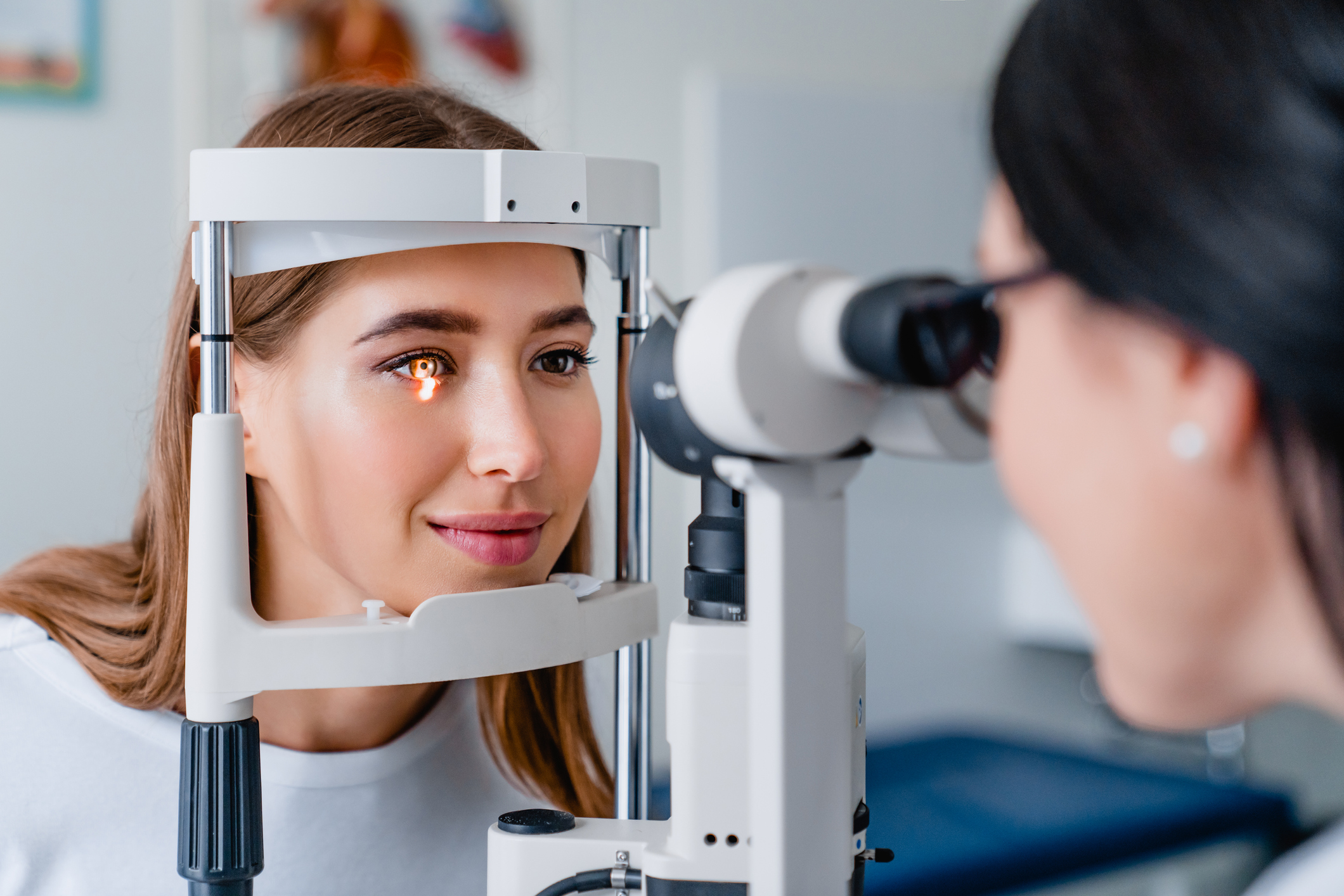
A comprehensive eye exam includes a series of tests designed to evaluate your vision and check for eye diseases. It may involve:
- Vision tests: To check for nearsightedness, farsightedness, astigmatism, and presbyopia.
- Pupil dilation: Enlarging the pupils with eye drops to get a clear view of the eye’s internal structures.
- Pressure tests: A method to detect glaucoma.
- Peripheral vision tests: Can detect glaucoma and other issues beyond central vision concerns.
- Slit-lamp exam: Utilises a microscope to examine the eye, including the eyelid, lashes, lens, iris, and cornea.
How Often Should You Do It?
The frequency of eye exams largely depends on age, health, and the risk of developing eye problems. Children should have their eyes examined before starting school and then continue to have them checked as recommended by their eye doctor. For adults, it’s advised to undergo eye exams every two to three years between the ages of 20 to 40.
After age 40, these exams should be more frequent. Individuals with certain health conditions, such as diabetes or high blood pressure, or those at an elevated risk for other eye diseases, might need to schedule eye exams more frequently to ensure optimal eye health. The AAO (American Academy of Ophthalmology) recommends screening frequency every 5 years from 40, every 3 years from 50 and every two years from 60
From Eye Exams to Eye Surgery
The goal of regular eye exams is not only to ensure that you have the best vision possible but also to ensure the health of your eyes. For some, an eye exam can lead to the recommendation for eye surgery to correct or improve vision or to treat an eye condition:
- Refractive surgeries: Procedures like LASIK can correct refractive errors, eliminating or reducing the need for eyeglasses or contact lenses.
- Cataract surgery: Cataracts can lead to blurry vision and, in advanced stages, significant vision loss. Early detection can lead to timely and effective cataract surgery.
- Glaucoma treatments: If detected early, some forms of glaucoma can be managed with medication. However, more advanced cases might require surgical intervention.
Regular eye exams are not just about getting a new prescription for glasses or contacts. They are crucial in maintaining the health of your eyes, ensuring that you have the best vision possible, and preventing serious eye conditions. Your eyes are irreplaceable, and proactive care can ensure they serve you well throughout your life.
Book your eye exam with your local optometrist/optom practice today and prioritise the health of your eyes.

 Eye Conditions
 Auckland EyeWednesday, 16 Sep 2026