Auckland EyeTuesday, 17 Mar 2026
GLP-1 Medications and Your Eyes: What You Need To Know
Using GLP-1 medications for diabetes or weight loss? Learn how they may affect your eyes and when to seek advice.

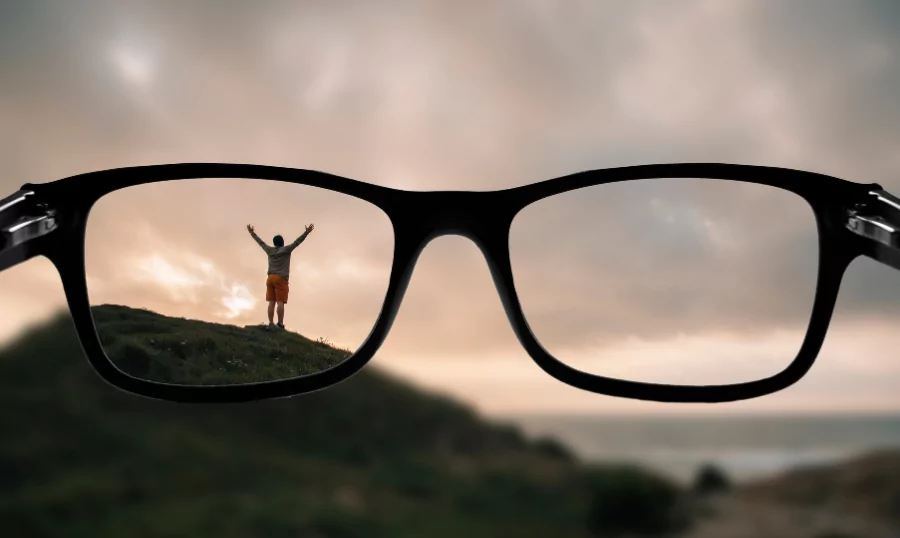
Myopia (also known as near-sightedness or short-sightedness) is a relatively common condition that affects your ability to clearly see distant objects. While binocular-like vision might not be essential to most of our everyday lives, myopia can be an issue when driving a car, watching TV or a child’s ability to read a whiteboard in the front of a classroom. The biggest concern with myopia is that its prevalence is rising worldwide. According to the International Myopia Institute, it’s now projected to affect 50% of the world’s population by 2050.
In this blog, we look at how to identify myopia, the leading causes and how to treat it.
Myopia is a condition caused by a defect in the structure of your eye. It occurs when the eyeball is too long, or the cornea (the protective external layer of your eye) is too curved. These defects lead to images being focussed incorrectly within the eye (called refractive errors by eye doctors). The outcome of your eyes focussing poorly is blurred long-distance vision.
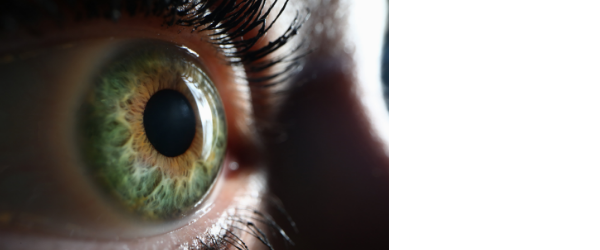
A comprehensive eye exam is the number-one diagnostic tool for myopia, and it’s usually picked up through regular screening during childhood. Typically, myopia is diagnosed before age 20, but if not, it can lead to further eye issues. The main symptoms include:
In children, you may also notice:
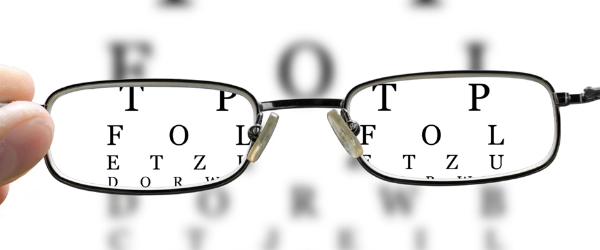
There is a considerable amount of research (both past and present) into the causes of myopia, and it’s currently believed that heredity is the most significant factor. If one or both of your parents have myopia, your chances of also having it drastically increase.
However, eye experts don’t believe it’s purely our parents who are to blame. Both heredity and environmental factors are likely causes.
Research indicates that the amount of time children spend in ‘near’ activities – such as in front of devices –raises the risk of developing myopia by up to 80%. This could explain why it is on the rise globally.

Myopia can worsen with age, so it’s essential to get treatment as soon as possible. Your eye specialist will typically recommend one of the following:

Don’t let life pass you by in a blur. With early identification and treatment, it’s entirely possible to slow and delay the progression of myopia. And with the incidence of myopia on the rise, it’s important to get your eyes (and your children’s) checked not just when you notice any changes, but regularly.
Let’s get you seeing clearly, so you can live life to its fullest. Get in touch with the Auckland Eye team today!
 Eye Conditions
Tuesday, 2 Aug 2022
Eye Conditions
Tuesday, 2 Aug 2022
 Auckland EyeTuesday, 17 Mar 2026
Using GLP-1 medications for diabetes or weight loss? Learn how they may affect your eyes and when to seek advice.
 Auckland EyeMonday, 16 Mar 2026
Cataract surgery can restore clarity and improve daily life. Discover what the procedure involves and what to expect throughout your treatment journey
 Auckland EyeMonday, 16 Mar 2026
Your overall health and eye health are closely connected. Here are five common conditions that can affect your vision and long-term eye health.