Auckland EyeWednesday, 19 Aug 2026
Is Blue Light Bad for Your Eyes?
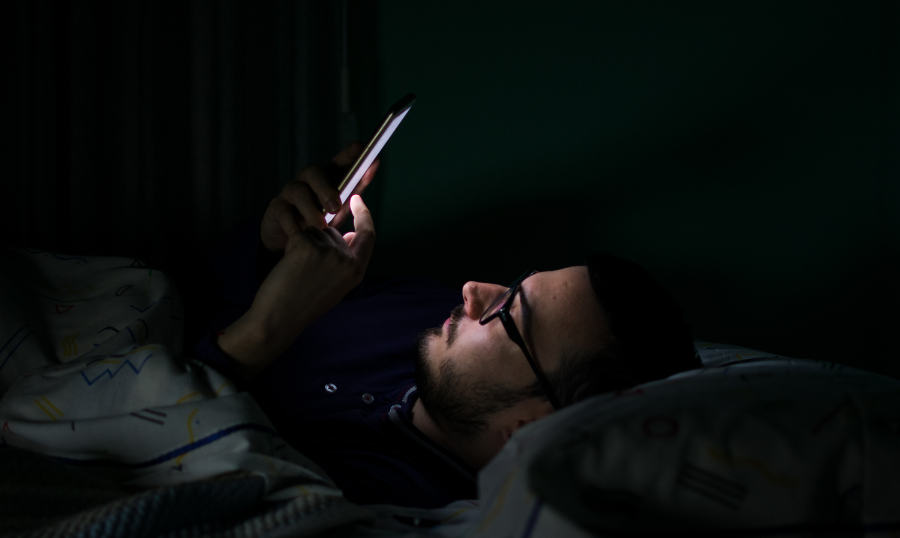
Is blue light bad for your eyes? Find out what's really causing that tired, gritty feeling after screen time, and what fixes it.

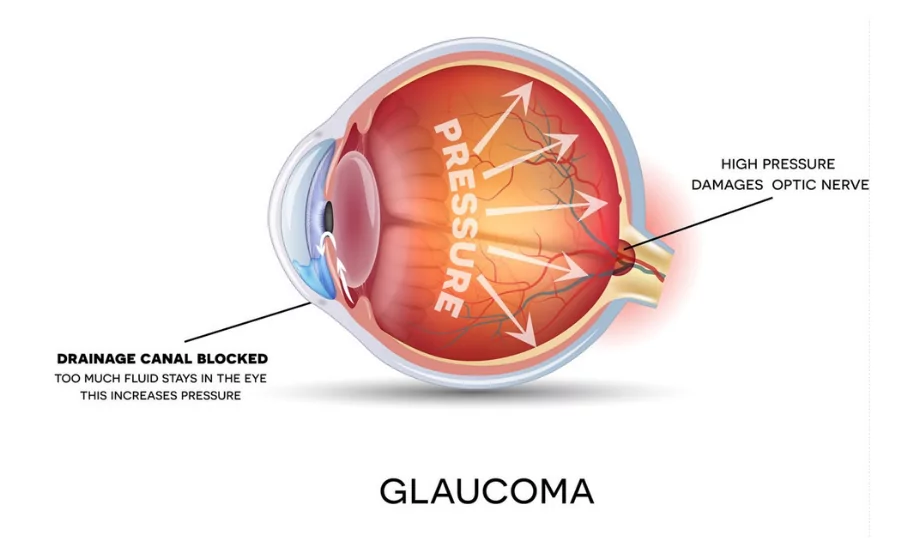
Glaucoma is an eye disease that affects 2-3% of people over the age of 60. It is the second most common cause of blindness in the western world and the second leading cause of blindness worldwide, after cataracts.
There may be no symptoms to glaucoma as it is often a silent disease slowly developing over time. It is often detected during a glasses assessment by a vigilant optometrist, or because a patient is aware of the risk and has chosen to have their eyes formally checked.
Early detection, through regular and complete eye exams, is the key to protecting your vision from damage caused by glaucoma.
If you have a question or would like to book an appointment, please contact our friendly specialist team on 0800 AKL EYES or email to admin@aucklandeye.co.nz
 Eye Conditions
Tuesday, 14 Jan 2020
Eye Conditions
Tuesday, 14 Jan 2020
 Auckland EyeWednesday, 19 Aug 2026
Is blue light bad for your eyes? Find out what's really causing that tired, gritty feeling after screen time, and what fixes it.
 Eye ConditionsFriday, 17 Jul 2026
Choosing laser eye surgery? Learn the recovery differences between SMILE Pro, LASIK and PRK to help you make an informed decision.
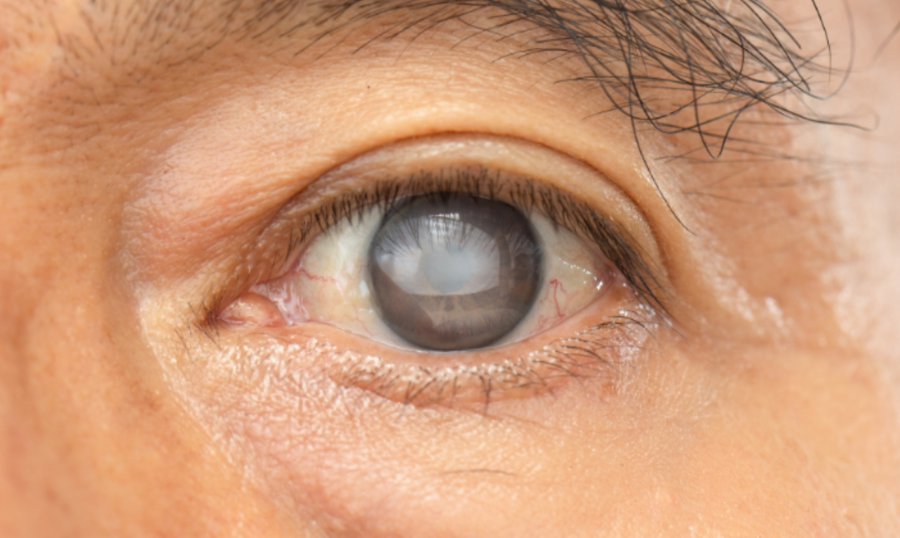
Learn the risks of delaying cataract surgery and when to seek treatment.