Auckland EyeWednesday, 19 Aug 2026
Is Blue Light Bad for Your Eyes?
Is blue light bad for your eyes? Find out what's really causing that tired, gritty feeling after screen time, and what fixes it.


Laser eye surgery has helped millions of people around the world achieve clearer vision without the daily reliance on glasses or contact lenses. There are several procedures available today, with SMILE Pro, LASIK, and PRK being among the most widely performed. Each uses a laser to reshape the cornea and correct how light is focused onto the retina, but they work differently and suit different patients.
Recovery is one of the key differences between them, and understanding what to expect after each procedure can help you feel prepared and make a more informed decision about which option is right for you.
Before exploring recovery, it helps to understand the vision problems that laser eye surgery corrects, as the complexity of your prescription can influence how your eyes heal.
Laser surgery reshapes the cornea to correct these focusing errors, and in most cases, the results last for decades. Before any procedure is recommended, a specialist will assess your cornea, take precise measurements, and review your general health to determine the most appropriate treatment for your eyes.
Regardless of which procedure you have, the first 24 hours are when your eyes are most sensitive. Blurred or hazy vision, mild discomfort, watering, and light sensitivity are all normal during this period. Rest is important, and most surgeons recommend going home and sleeping for several hours after the procedure to allow the eyes to begin healing undisturbed.
You will be prescribed eye drops to use from the day of surgery. Using these as directed, avoiding rubbing eyes, and protecting them from dust and bright light are all important steps in the early recovery period. You will also need someone to drive you home after any laser eye surgery procedure, as your vision will be temporarily affected on the day of the procedure.
As healing progresses, vision will gradually improve and stabilise. Attending all scheduled follow-up appointments is essential, as your surgeon will monitor healing progress and address any concerns early.
The recovery timeline differs meaningfully depending on which procedure you have had. Here is what to expect for each.
LASIK Recovery
LASIK has been the standard laser vision correction treatment for over 20 years and offers a rapid recovery. Here is what to expect:
PRK Recovery
PRK (Photo-Reactive Keratectomy) involves removing the surface cells of the cornea, which then regenerate naturally over time. Because of this surface healing process, recovery takes longer compared to LASIK or SMILE Pro. Here is what to expect:
The visual results are comparable to LASIK and SMILE Pro once healing is complete. PRK is particularly well-suited to patients with thin or irregular corneas or those whose lifestyle involves high-impact physical activity.
SMILE Pro Recovery
Because SMILE Pro does not create a flap or a larger incision in the cornea, recovery is quick. The procedure involves minimal interference with corneal nerves, which supports a faster healing response and may also help reduce the risk of dry eye symptoms during and after recovery. Here is what to expect:
While the recovery timelines outlined above apply to most patients, individual experiences can vary. The following factors can influence how quickly and smoothly your eyes heal:
Patients who follow their surgeon’s guidance closely tend to have a more straightforward recovery and reach their best visual outcome sooner.
Some degree of discomfort, light sensitivity, and visual fluctuation in the first few days after surgery is normal and expected. However, certain symptoms should not be left until your next scheduled appointment. Significant or worsening eye pain, a sudden change in vision, persistent redness, or anything that feels unusual warrants prompt contact with your surgeon. Catching any concerns early gives your care team the best opportunity to respond effectively and protect your outcome.
Recovery from laser eye surgery happens in stages. Following your surgeon’s recommendations, attending all follow-up appointments, and taking care of your eyes in the weeks after surgery are the most effective ways to support a smooth recovery and achieve the best possible visual outcome.
If you have questions about laser eye surgery or would like to discuss which procedure may be right for you, the specialists at Auckland Eye are here to help. Get in touch with the team to book a consultation.
 Eye Conditions
Friday, 17 Jul 2026
Eye Conditions
Friday, 17 Jul 2026
 Auckland EyeWednesday, 19 Aug 2026
Is blue light bad for your eyes? Find out what's really causing that tired, gritty feeling after screen time, and what fixes it.
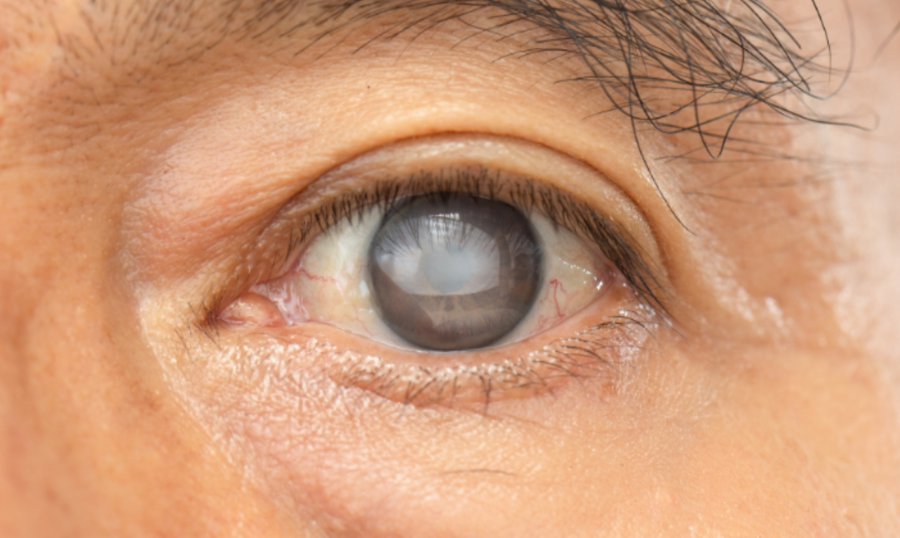
Learn the risks of delaying cataract surgery and when to seek treatment.

Diabetic retinopathy can progress slowly or rapidly depending on blood sugar control and overall eye health. Learn the signs and treatment options.