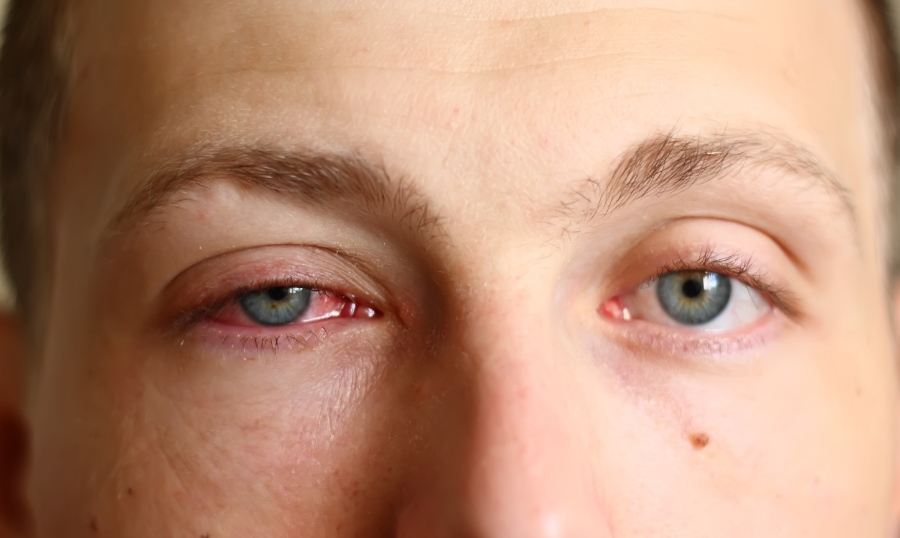
Conjunctivitis, commonly known as pink eye, is a condition that affects the thin, transparent layer covering the white part of your eye and the inside of your eyelids, called the conjunctiva. When this membrane becomes inflamed or infected, the eye appears red, swollen, and sometimes produces discharge.
While often mild, conjunctivitis can be uncomfortable and, in some cases, contagious, so understanding the causes, symptoms, and treatments is important.
Common Causes of Conjunctivitis
There are several types of conjunctivitis, each with different triggers:
- Viral conjunctivitis: Usually linked to the common cold or other viral infections. Highly contagious but often clears on its own.
- Bacterial conjunctivitis: Caused by bacteria and may produce a thick, yellow or green discharge. Often requires antibiotic eye drops or ointment.
- Allergic conjunctivitis: Triggered by pollen, dust, pet dander, or other allergens. Often comes with itchy eyes and watery discharge, but is not contagious.
- Irritant conjunctivitis: Caused by smoke, chlorine, or chemical exposure. Symptoms improve once the irritant is removed.
Symptoms to Look Out For
The symptoms vary depending on the type of conjunctivitis but may include:
- Redness: The most common sign of conjunctivitis. It may appear in one or both eyes and can range from a mild pink tone to a more noticeable red.
- Discharge: Watery, stringy, or pus-like depending on the cause.
- Itching or burning sensation: More common with allergies.
- Swollen eyelids: Caused by irritation and inflammation.
- Sensitivity to light (photophobia): In some cases.
If you experience significant eye pain, changes in vision, or sensitivity to light, it’s important to seek medical attention as these symptoms may point to something more serious.

Treatment Options
Treatment depends on the underlying cause:
- Viral conjunctivitis: Usually resolves within 1–2 weeks. Artificial tears, cold compresses, and good hygiene can help ease discomfort.
- Bacterial conjunctivitis: Typically treated with prescribed antibiotic drops or ointment.
- Allergic conjunctivitis: Antihistamine or anti-inflammatory eye drops can relieve symptoms. Avoiding triggers is key.
- Irritant conjunctivitis: Rinsing the eyes with clean water and avoiding the irritant helps symptoms improve quickly.
Preventing the Spread
Conjunctivitis, particularly viral and bacterial forms, spreads easily. You can reduce the risk of passing it on by:
- Washing your hands frequently.
- Avoiding rubbing or touching your eyes.
- Not sharing towels, pillows, or makeup.
- Keeping children with contagious conjunctivitis home from school until cleared.
When to See a Doctor
While most cases of conjunctivitis are mild, you should seek professional care if:
- Your symptoms don’t improve within a few days.
- You experience severe pain, blurred vision, or sensitivity to light.
- The redness spreads rapidly or is accompanied by swelling around the eye.
- You wear contact lenses and notice symptoms, as this could indicate a more serious infection.
Final Thoughts
Conjunctivitis may sound alarming, but in most cases it’s a minor condition that clears up with the right care. Recognising the symptoms and knowing when to seek treatment ensures your eyes stay healthy and comfortable.
If you’re concerned about your symptoms, don’t delay in reaching out to your eye care professional for guidance.
Find an Optometrist
Find a General Practitioner


 Auckland EyeWednesday, 16 Sep 2026