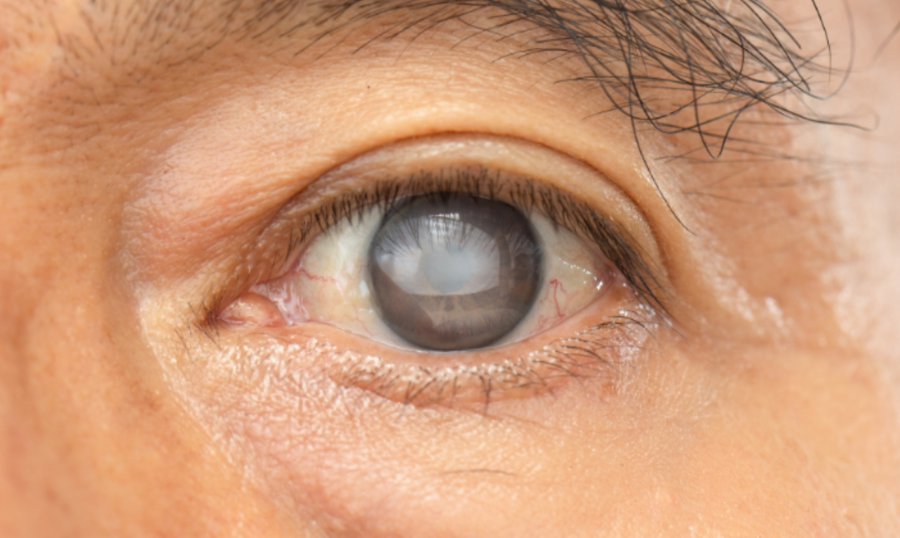
Most of us now spend the bulk of our waking hours looking at a screen. So when your eyes feel tired and gritty by the end of the day, blue light is the obvious suspect, and there’s a whole industry of glasses, filters and screen protectors ready to agree with you.
Is blue light bad for your eyes? It’s one of the most common questions we get asked, and the answer tends to surprise people. Everyday screen use isn’t damaging your eyes. The discomfort is real, though, and it has a cause worth understanding.
What Is Blue Light?
Blue light is a high-energy, short-wavelength form of visible light, roughly 400 to 500 nanometres on the spectrum. It comes from the sun, and artificially from digital screens, LED lighting and fluorescent bulbs.
Short wavelengths carry more energy than long ones, which is why blue light draws more attention than the reds and yellows further along the spectrum. Higher-energy light has, in theory, more capacity to affect the tissue it lands on, and that theory is where the concern about screens began.
In practice, the biggest source of blue light by far is the sun. Screens and indoor lighting add only a small amount on top.
It isn’t something to avoid, either. There’s some evidence that daytime blue light supports alertness and mood, which is one reason a bright morning helps you feel more awake.
What Does Blue Light Do to Your Eyes?
Less than most people expect. According to RANZCO, there’s no evidence that normal exposure to blue light, including from screens, causes damage to eyesight.
The numbers explain why. Screens emit blue light at less than 0.5% of the level the International Commission on Non-Ionizing Radiation Protection considers safe, and studies have found no measurable UV light coming from computer monitors. UV is the part of sunlight that genuinely harms eyes over time, contributing to cataracts and other damage, and your screen isn’t producing it. That’s an argument for sunglasses outdoors, not filters on your laptop.
Blue light does have two real effects, though. It disrupts sleep, which we cover below. And screens leave many people with tired, dry, aching eyes at the end of the day. That’s digital eye strain, and it’s worth being precise about the cause, because it isn’t blue light.
So Why Do My Eyes Feel Strained After a Day on Screens?
Reduced blinking is a significant factor. When we concentrate for long periods, whether on a screen or a printed page, we tend not to blink as often. Each blink spreads a fresh layer of tears across the surface of the eye, so blinking less often leaves the eye drier than usual, and that’s what produces the tired, gritty feeling.
Focusing plays a part as well. After a long stretch of close work, some people find it takes a moment to adjust focus from near to far again. Sitting too close, reading small fonts, or wearing an out-of-date prescription all add to the load and can contribute to headaches and neck tension.
Blue Light and Sleep
There is one area where blue light has a real, well-supported effect, and it’s sleep rather than eye health.
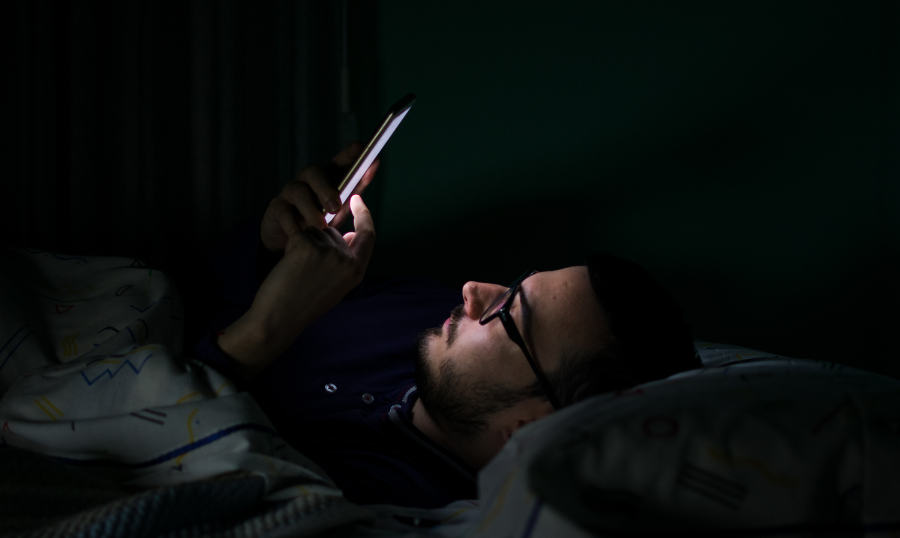
Blue light suppresses melatonin, the hormone that signals to your body that it’s time to wind down. Screen use in the hour or two before bed can make it harder to fall asleep at a normal time.
The light isn’t the only factor. Scrolling and replying to messages will keep your brain alert regardless of what your screen is doing to your melatonin.
Put screens away before bed if you can. If that isn’t realistic, turn on Night Shift on Apple devices or Night Light on Android, which shifts the display towards warmer tones in the evening. Keeping bedroom lighting warm and low helps too.
This is worth more of your attention than blue light during the day.
Do Blue Light Glasses Work?
There’s little evidence that ‘anti blue light’ lenses improve visual performance, and no studies showing they protect macular health, which is the claim most often made for them. Filtering blue light from screens isn’t necessary in general use.
The reason they don’t help with tired eyes is simple. Your symptoms come from holding your focus at a fixed distance and blinking less, not from the light itself. A lens that filters blue wavelengths doesn’t change either of those things.
How to Reduce Digital Eye Strain
A few simple habits go a long way towards keeping your eyes comfortable during screen use:
- Follow the 20-20-20 rule: Every 20 minutes, look at something at least five metres away for 20 seconds. This gives the focusing muscles in your eyes a break.
- Blink consciously: Blink fully and often, especially during long stretches of concentrated screen work.
- Use lubricating eye drops: Artificial tears refresh the eyes when they feel dry, and they treat the actual cause of the discomfort.
- Match your screen brightness to the room: If your screen is the brightest thing in the room, it’s too bright. If it looks dull and grey, it’s too dark.
- Reduce glare: Add lamps to dark corners rather than working in a dim room, and consider a glare reduction filter if your workspace is bright or reflective.
- Set up your workspace: Position your screen at eye level, at a comfortable distance, and sit with good posture to reduce strain on your eyes, neck and back.
- Get your prescription checked: Out-of-date glasses make your eyes work harder, and a comprehensive eye exam is the single most useful thing you can do about persistent screen discomfort.
When It Might Be More Than Eye Strain
Eye strain settles once you rest your eyes. Dry eye doesn’t.
If dryness, burning, or grittiness persists after you’ve changed how you use screens, something else is probably going on. Dry eye affects around one in ten adults across Australia and New Zealand at some point, and blinking too little at a screen can contribute to it.
The small oil glands in your eyelids are the usual cause. When they block or become inflamed, your tears lose the oily layer that stops them from evaporating, and your eyes dry out no matter how often you blink. Age, air conditioning and some medications make it more likely.
Dry eye responds well to treatment, but it needs the right diagnosis first. Our Dry Eye Clinic assesses what’s happening with your tears and your glands, then treats the cause.
A Note on Children and Screens
For children, the same advice applies, and evening screens matter most. Sleep patterns in children and teenagers tend to be more sensitive to light at night, so keep screens out of the bedroom.
If your child is squinting, sitting close to the screen or complaining of headaches, book an eye test. Those are worth checking properly, and they have nothing to do with blue light. Our children’s eye specialists assess and treat eye problems in children of all ages.
Looking After Your Eyes in a Screen-Heavy World
Blue light from your phone, laptop or tablet isn’t the threat it’s often made out to be. Digital eye strain and disrupted sleep are the real issues, and a few changes to your habits will do more for both than a pair of filtered lenses.
Don’t assume every sore eye is screen fatigue, though. Persistent dryness, blurring or headaches can point to dry eye, an out-of-date prescription, or something that needs a closer look.
With over 20 specialist ophthalmologists and clinics across Auckland, the team at Auckland Eye can find what’s causing the problem and treat it properly. Get in touch to book an appointment.


 Auckland EyeWednesday, 16 Sep 2026