Eye ConditionsFriday, 17 Jul 2026
How Long Is the Recovery From Laser Eye Surgery?
Choosing laser eye surgery? Learn the recovery differences between SMILE Pro, LASIK and PRK to help you make an informed decision.

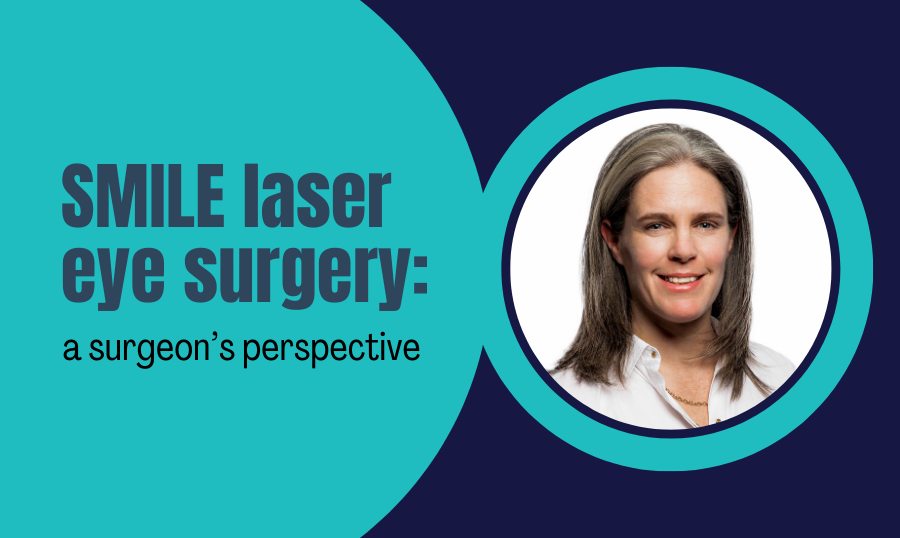
We conducted an interview with one of our highly specialised refracted surgeons Dr Sue Ormonde, who has seen many changes in the laser eye surgery landscape over the years. We hope you will find her unique surgical perspective on our new SMILE procedure insightful.
Dr Ormonde: It’s great! It’s the most exciting refractive procedure I’ve done in years. It’s been surprisingly straightforward to pick it up and all cases have gone really well. The femtosecond laser itself is very quick so it’s an easier procedure for patients in terms of comfort. As far as patients are concerned, it’s a very painless, quick and easy procedure.
Dr Ormonde: The key benefit is that there is no flap. In contrast to LASIK the procedure involves only one laser so it’s easier for the patient as we’re not having to move between two lasers.
The laser creates a highly accurately shaped lenticule of tissue within the cornea, which is then removed via a 3mm wound. Because no flap is created the corneal structural integrity is minimally affected. and there is low risk of dry eye symptoms post-operatively. We can safely treat higher levels of myopia as the anterior layers of the cornea, which provide most of the biomechanical strength, remain intact.
It’s reasonable to say that it is a highly predictable, accurate treatment that absolutely minimises potential risks to the cornea. It has advantages for people who play contact sports or have high occupations, because although the risk of traumatic damage to a LASIK flap is very low, SMILE removes that risk altogether.
Dr Ormonde: Anyone with myopia, with moderate to high myopes being the best suited. Personally, I would strongly encourage anyone with -2.00 dioptres or more to go for SMILE. It’s now my default procedure for myopes – I love it!
Dr Ormonde: Yes it probably is. I suppose the biggest step in the last 10 years in refractive surgery was when the femtosecond laser was introduced to create the LASIK flap, as opposed to using a mechanical blade device. It was hard to see what other significant advances could be made, and there were various novel techniques that came and went, but now we have SMILE which truly represents a significant advance is refractive surgery. That’s not to say that LASIK and PRK don’t still have a place – there are many indications in a minority of people that mean LASIK or PRK may be the best option for them, and all three techniques are very accurate and predictable.
 Auckland Eye
Thursday, 28 Jul 2016
Auckland Eye
Thursday, 28 Jul 2016
 Eye ConditionsFriday, 17 Jul 2026
Choosing laser eye surgery? Learn the recovery differences between SMILE Pro, LASIK and PRK to help you make an informed decision.
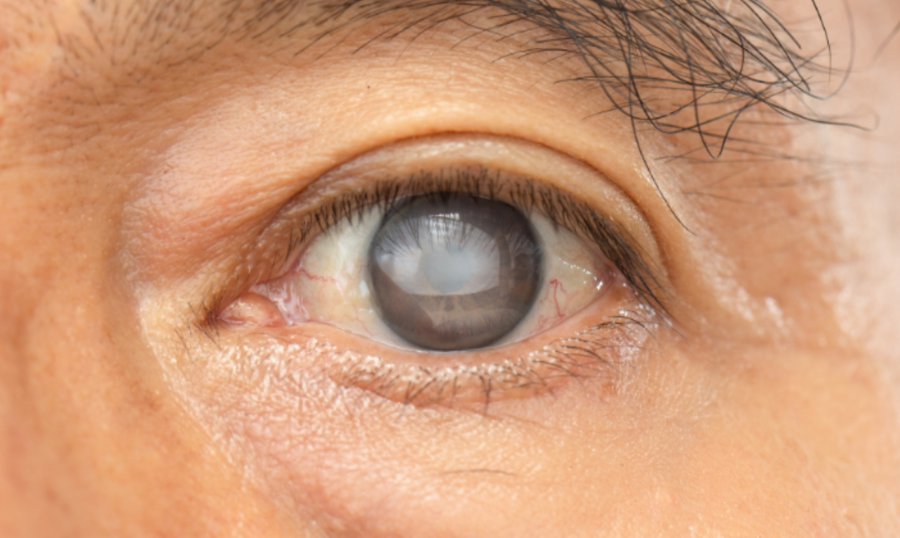
Learn the risks of delaying cataract surgery and when to seek treatment.

Diabetic retinopathy can progress slowly or rapidly depending on blood sugar control and overall eye health. Learn the signs and treatment options.