Auckland EyeWednesday, 19 Aug 2026
Is Blue Light Bad for Your Eyes?
Is blue light bad for your eyes? Find out what's really causing that tired, gritty feeling after screen time, and what fixes it.

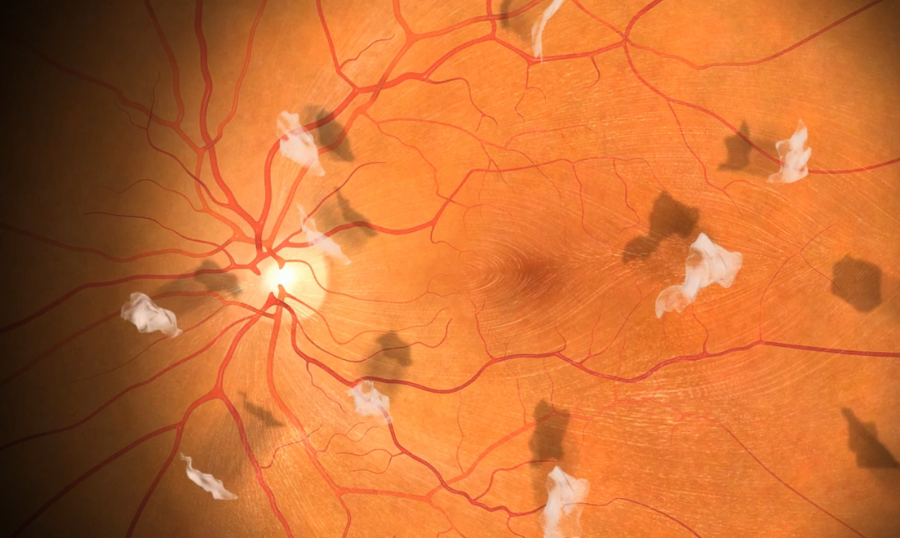
Flashes and floaters are common eye symptoms and in many cases are not cause for concern. Floaters look like small specks, dots or lines in your vision and are usually more noticeable when you are looking at something plain like the blue sky or a white wall. Flashes look like a flashing light or a lightening streak in your field of vision and it is more common to see these as you age.
As we get older our vitreous (the clear gel like substance that fills the area between the lens and the retina of the eye) starts to thicken and as a result sometimes clumps or strands form. Sometimes the vitreous can pull away from the back of the eye, which is when floaters are often seen. They are not serious and tend to go away over time.
However sudden onset of floaters, particularly multiple floaters may indicate retinal disease such as a retinal tear or even retinal detachment. Retinal detachment is a condition when the retina pulls away from it’s normal position at the back of the eye. Most of the time this does not occur as the result of trauma but is due to pre-existing factors or other eye diseases.
If you suddenly notice flashes or floaters you should have a dilated retinal examination as soon as reasonably possible. If there is a retinal tear this can be treated usually with laser and so prevent the development of a retinal detachment.
 Eye Conditions
Wednesday, 14 Jun 2017
Eye Conditions
Wednesday, 14 Jun 2017
 Auckland EyeWednesday, 19 Aug 2026
Is blue light bad for your eyes? Find out what's really causing that tired, gritty feeling after screen time, and what fixes it.
 Eye ConditionsFriday, 17 Jul 2026
Choosing laser eye surgery? Learn the recovery differences between SMILE Pro, LASIK and PRK to help you make an informed decision.
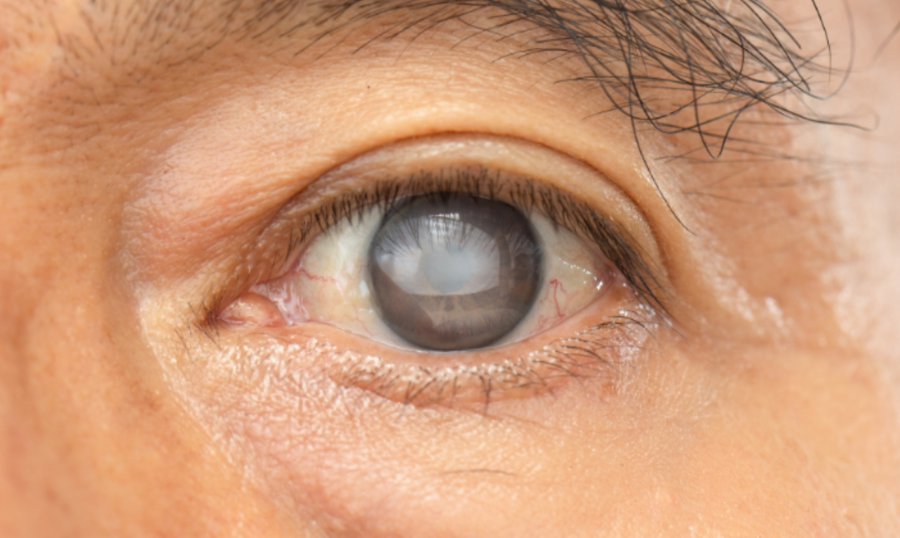
Learn the risks of delaying cataract surgery and when to seek treatment.