Auckland EyeWednesday, 19 Aug 2026
Is Blue Light Bad for Your Eyes?
Is blue light bad for your eyes? Find out what's really causing that tired, gritty feeling after screen time, and what fixes it.


There’s nothing quite like diving into a pool or taking a dip in the ocean on a hot summer day, but if you’ve ever come out of the water with stinging, red, or blurry eyes, you’re not alone. Both chlorine and saltwater can affect your eyes in different ways, here’s what’s really going on and how to keep your vision comfortable after a swim.
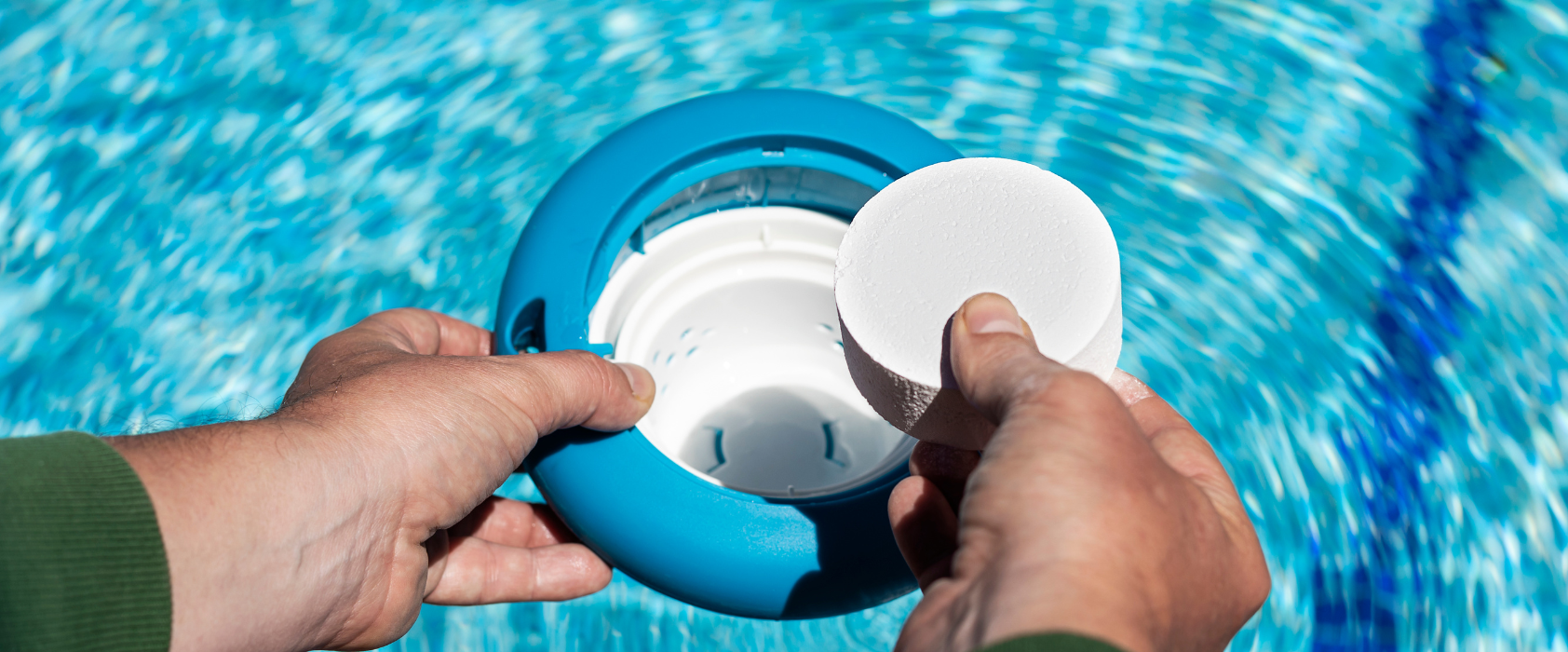
Chlorine is added to pools to keep the water clean by killing bacteria and germs. While it’s great for hygiene, it can be tough on your eyes. Chlorine doesn’t just wash away bacteria, it also strips away the tear film that keeps your eyes moist and protected. When that natural barrier is disrupted, your eyes can become irritated, dry, and red.
You might notice:
If you swim often, the constant exposure can even lead to dry eye symptoms or make existing dryness worse.

While ocean water feels more natural, it can still cause discomfort. Saltwater can draw moisture out of your eyes through osmosis, in other words, the salt content pulls water out of your eye’s surface cells, leaving them feeling dry and gritty.
You don’t have to give up swimming to keep your eyes healthy. Try these simple tips:
If your eyes stay red, sore, or blurry for more than a day or two after swimming, it’s worth booking an appointment. Sometimes, what feels like simple irritation can actually be a sign of infection or dryness that needs professional care.
Click here to book an appointment with our team to get personalised advice on how to keep your eyes healthy and comfortable, in and out of the water.
Chlorine and saltwater can both dry out and irritate your eyes, but a few small habits can help you keep swimming comfortably. Protect your tear film, wear goggles, and give your eyes the care they deserve after every swim.
 Auckland EyeWednesday, 19 Aug 2026
Is blue light bad for your eyes? Find out what's really causing that tired, gritty feeling after screen time, and what fixes it.

 Eye ConditionsFriday, 17 Jul 2026
Choosing laser eye surgery? Learn the recovery differences between SMILE Pro, LASIK and PRK to help you make an informed decision.
Learn the risks of delaying cataract surgery and when to seek treatment.